

SAP Vertex × FICO
SAP Vertex and SAP FICO Integration Across OTC, PTP, and RTR
- SAP Vertex
- SAP FICO
- OTC
- PTP
- RTR
- Indirect tax
SAP Vertex integration is not “install the RFC and go.” Vertex O Series (or Vertex Cloud) determines US sales and use tax, plus a thicket of local and special district tax. SAP FICO consumes the result on the accounting document and in the tax G/L. The originating documents are born in Order to Cash — sales order, delivery, billing — and in Procure to Pay — vendor invoice, subsequent debit, use-tax accrual. They must survive Record to Report: tax accounts, accruals, returns, and close. Fortune 500 companies fail this when SD, MM, and FI each own a different story of the same penny.
The call path is itself a process. Pricing procedure hands Vertex a base. Vertex returns jurisdictions, rates, and amounts. Those amounts post as tax lines with tax codes that FI must recognize. If the base included a statistical freight condition that legal did not want taxed, every invoice is a dispute. If AP trusts the vendor’s tax line and never runs use tax, the notice arrives from the state, not from the SI.
OTC: ship-from, ship-to, title
Destination-based sales tax cares where the customer takes title. Drop-ship and third-party order make ship-from, ship-to, and sold-to disagree. A plant in Texas, a warehouse in Ohio, a customer in New York, and a title clause that says FOB destination — Vertex will get this right only if the partner functions and the incoterms are honest. We test that matrix. We do not test “create billing document, tax not zero.”
PTP: use tax is not optional
A vendor in a no-tax state ships into a nexus state and charges nothing. Accounts payable still owes use tax. If MIRO posts the vendor line and FI never accrues, RTR is wrong and the return is wrong. SR Soft staffs MM-IV with the Vertex consultant. Subsequent debit, subsequent credit, and cancellations must reverse the original jurisdiction, not invent a new one.

RTR: the account that has to close
Tax G/L versus COPA, accrual versus return, deferred versus current — if FBL3N cannot explain Vertex, close is a negotiation. We map every Vertex taxability category to a FI tax code and a G/L that tax can reconcile to the return. Intercompany OTC with Vertex on both legs and consolidation after is a designed process, not a surprise in month thirteen.
- 01
Nexus matrix
States, home-rule, and special districts the legal team will sign.
- 02
Pricing base
Which conditions enter Vertex. Statistical versus real. Freight rules.
- 03
OTC scenarios
Drop-ship, third-party, returns, billing plans, intercompany.
- 04
PTP scenarios
Use tax, subsequent debit/credit, unplanned delivery cost.
- 05
Certificate vault
Expiry, job-site, blanket. A process, not a shared drive.
- 06
RTR recon
Tax G/L to Vertex extract to return. One owner.

Breaks by process on a typical program
SR Soft stands tall here because we fill Vertex, SD pricing, MM-IV, and FICO as one cell. We send people who have posted a billing document, watched the Vertex call, and reconciled the tax account. That is unique. That is how we staff Fortune 500 tax and COE desks. S/4 output management, Business Partner, and Universal Journal change the document trail — they do not remove Vertex. CPI iFlows replace aging PI. We staff that evolution.
The RFC, the base, and the document that must reverse
Vertex O Series on RFC or Vertex Cloud behind CPI still has the same contract: SAP sends a tax request with partner functions, ship-from, ship-to, product taxability, exemption flags, and a dollar base. Vertex returns jurisdictions, rates, and amounts. Those amounts must post as tax lines FI can reconcile. If copy control from quote to order re-determines when legal said “honor the quote,” you have a process bug, not a user error. If a credit memo re-determines on today’s ship-to, you have a notice. SR Soft tests reverse documents as first-class scenarios: cancellation, credit, subsequent debit, returns. Happy-path billing is not a tax test.
Use tax on PTP is where most SIs go quiet. A vendor with no collection duty still leaves you with an accrual. MIRO that trusts the vendor tax line without a use-tax procedure will under-accrue. We staff MM-IV inside the Vertex cell so subsequent debit and unplanned delivery costs reverse the same jurisdiction. Intercompany OTC with Vertex on both legs and elimination in consolidation is a designed pair of documents, not two projects that meet in month thirteen.
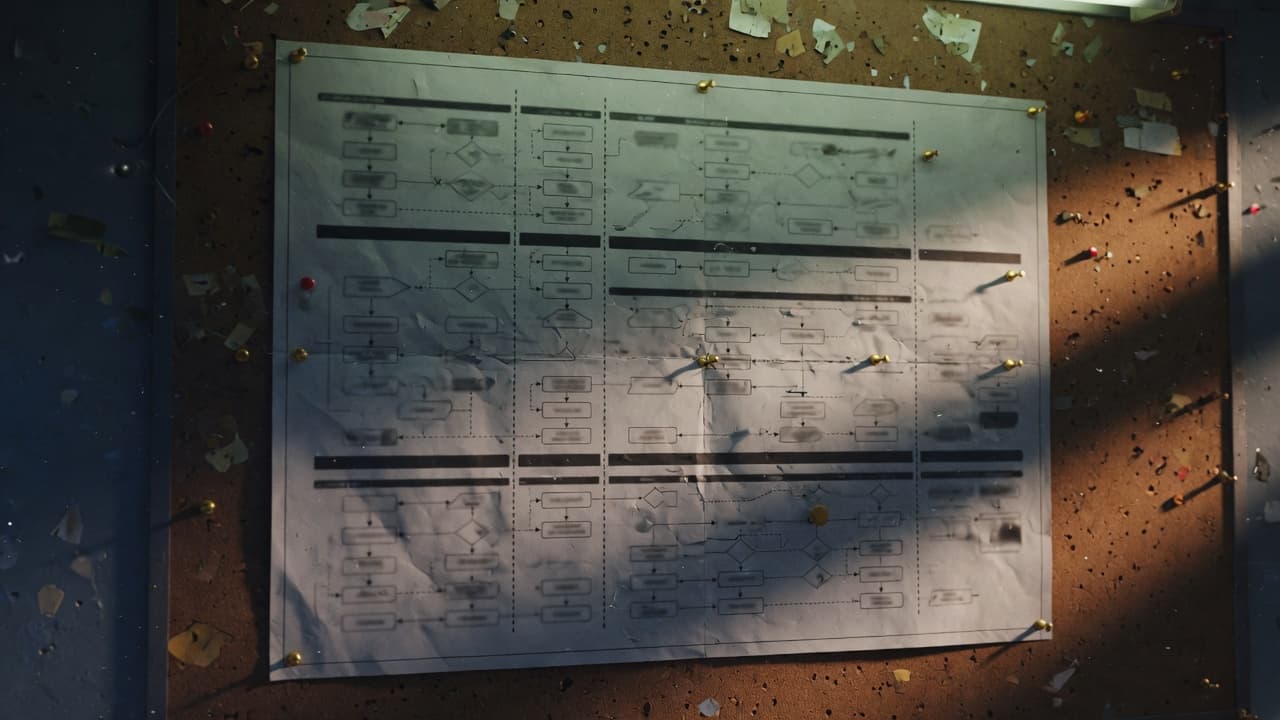
RTR close is a recon: Vertex extract, tax G/L, return. One owner. Deferred versus current, COPA versus G/L — if FBL3N cannot explain Vertex, we do not call UAT done. S/4 Universal Journal makes the lie louder. That is a feature. We use it.