
Clinical Data Management
Clinical Data Management: EDC, CDISC, and the Oversight Gap SR Soft LLC Closes
- Clinical Data Management
- EDC
- CDISC
- SDTM
- ADaM
- RBQM
- ICH E6
Clinical Data Management turns a protocol into a lockable database. EDC and eCRF design, CDASH, SDTM, ADaM, define.xml, Pinnacle 21, MedDRA, WHODrug, IWRS/IRT, ePRO, eCOA, eTMF, RBQM, centralized monitoring, query management, SAE reconciliation — under ICH E6(R2)/(R3), ICH E8, ICH E9, 21 CFR Part 11, 21 CFR 312, and GCP. Fortune 500 sponsors fail CDM when they staff a data coordinator and call it oversight. The sponsor owns the data. The CRO runs the EDC. The lab owns the central results. IWRS owns randomization. eCOA lives in a fourth vendor. Nobody owns the seam. ICH E6(R3) made that seam inspectable.
Study setup is not “build the CRF.” It is annotated CRF, DVS, edit checks that match the aCRF, CCG, transfer agreements for non-CRF data, medical coding conventions, IRT integration, and UAT that a CRA and a data manager can both fail. Study conduct is query aging plus critical data review plus SAE recon plus non-CRF recon plus protocol-amendment control. Closeout is soft lock, SRL, lock memo, SDTM, ADaM. If you staff only the middle, you will miss the lock date and the inspection.
Unique oversight challenges
- Edit checks that do not match the annotated CRF
- SDV/SDR strategy that ignores RBQM and KRIs — 100% SDV as a substitute for thinking
- SAE reconciliation as a spreadsheet between EDC and the safety database
- MedDRA / WHODrug upversion without impact assessment
- A DMP that describes a different EDC than the one that went live
- Vendor quality agreements that do not name who escalates a KRI breach
How SR Soft LLC handles it
We staff a sponsor-oversight cell: lead CDM, EDC builder, SDTM programmer, medical coder who has closed a study. We write the DMP, DVS, and lock checklist before first-patient-in. We put RBQM KRIs next to the query aging chart so centralized monitoring is not a slogan. We know Medidata Rave, Veeva Vault CDMS, Oracle InForm, and how a Pinnacle 21 report actually reads.
- 01
Protocol to aCRF
Every collection is a question that SDTM will have to answer.
- 02
DVS and edit checks
No check without a spec. No spec without a test.
- 03
Vendor map
EDC, lab, eCOA, IRT — who holds what, who escalates.
- 04
RBQM overlay
KRIs and QTLs next to listings, not in a separate deck.
- 05
SAE recon SOP
EDC versus safety. Frequency. Owner. Evidence in TMF.
- 06
Lock path
Soft lock criteria published before last-patient-last-visit.
Where CDM programs lose the lock date
aCRF, DVS, and the check that has no spec
An edit check without a DVS line is folklore. An aCRF that does not match SDTM.IG is a lock delay. UAT that only a builder can pass is not UAT. We force protocol → aCRF → DVS → UAT as a chain with owners before FPI. RBQM KRIs sit next to query aging so 100% SDV is not a substitute for thinking. Critical data gets review. Noise does not get a query.
Non-CRF data — lab, eCOA, IRT — has transfer agreements and recon, not a hope that the vendor file will match. We name those vendors in week one. MedDRA/WHODrug conventions are written. Dictionary upversion is a change. That is CDM, not data entry.
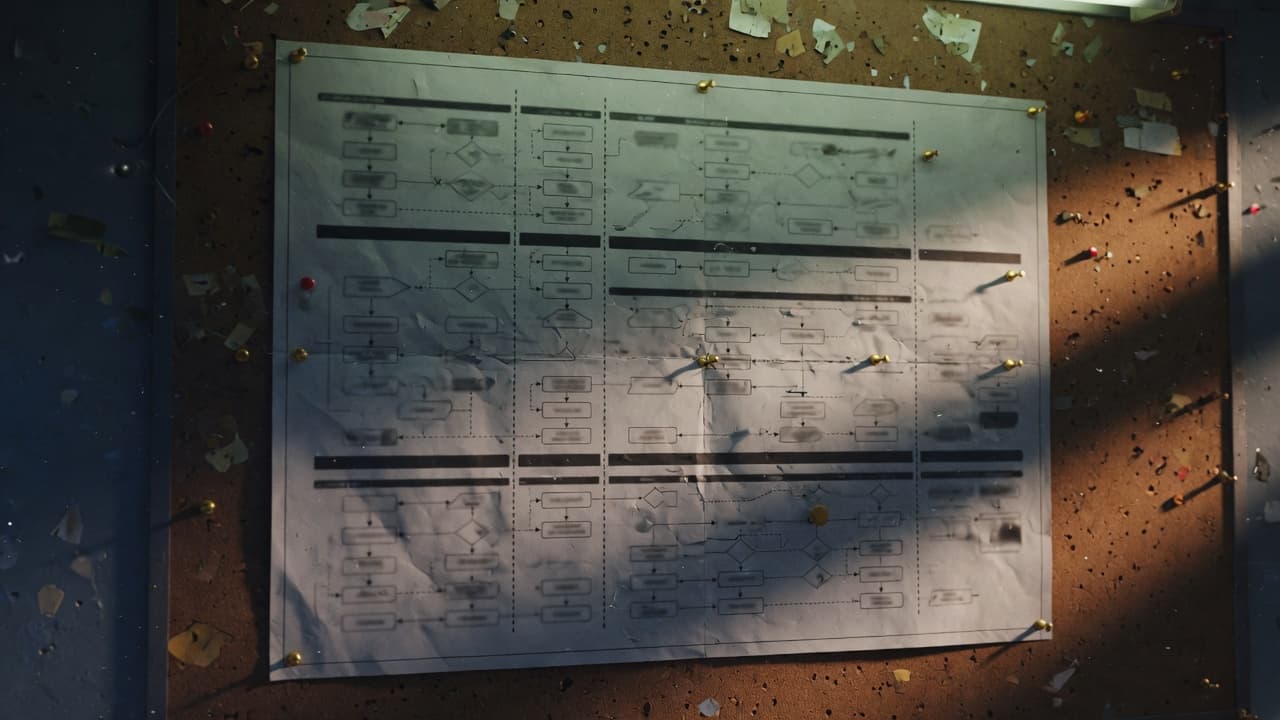
Oversight is not a dashboard the CRO built. It is a person who can fail the vendor.
SR Soft LLC clinical practice