

SAP PRA
SAP PRA Production and Revenue Accounting Lifecycle: From Wellhead to Settlement
- SAP PRA
- Production and Revenue Accounting
- S/4HANA Oil and Gas
- DOI
- Allocation
- Royalty
SAP Production and Revenue Accounting is the oil-and-gas subledger inside IS-Oil / S/4HANA Oil & Gas. It is not FI with extra fields. A well completion creates a network: well, completion, measurement point, delivery network, and a division of interest that names every working-interest owner, royalty owner, and overriding royalty. Measurement tickets — run tickets, tank gauges, plant statements, check meters — enter as volumes and energies. Allocation spreads a commingled stream across those owners. Valuation prices the result. Royalty and severance take their statutory and contractual cut. Partners settle. Cash and accruals hit the Universal Journal. If any link is late or wrong, Record to Report is fiction.
Most implementations die because the integrator staffs a general FI consultant and a junior IS-Oil resource, then treats DOI conversion as a cutover task. DOI is not master data you load on a weekend. A mid-month transfer of interest, a payout status change, or a carried-working-interest flip rewrites every subsequent allocation. Prior-period adjustments (PPAs) then cascade through valuation, royalty, tax, and owner payables. The board sees a restatement. The landman sees a lawsuit.
SR Soft LLC restages PRA programs around a single rule: prove one real network before you bless the blueprint. We staff PRA functional, a contracts analyst who can read a gas purchase agreement, FICO for RTR, and BTP/CPI when tickets arrive from SCADA or a midstream statement. That cell has closed production months. It does not discover keep-whole versus percentage-of-proceeds in integration test.
7
Lifecycle stages we prototype
DOI
Treated as a process, not a load
PPA
Designed before cutover
RTR
Settlement tied to close
The lifecycle, as it actually runs
A well completion (WC) hangs on a well. Measurement points sit on the WC or on a delivery network. Theoretical allocation uses energy or volume factors from a well test or a theoretical formula. Plant allocation waits on a plant statement that may arrive days after month-end. Trailer allocation follows a truck ticket. Mix those methods on one commingled system without a control total and you invent barrels. UoM is a legal fact: Mcf, MMBtu, barrels, gallons — conversion factors belong in the contract, not in a developer’s head.
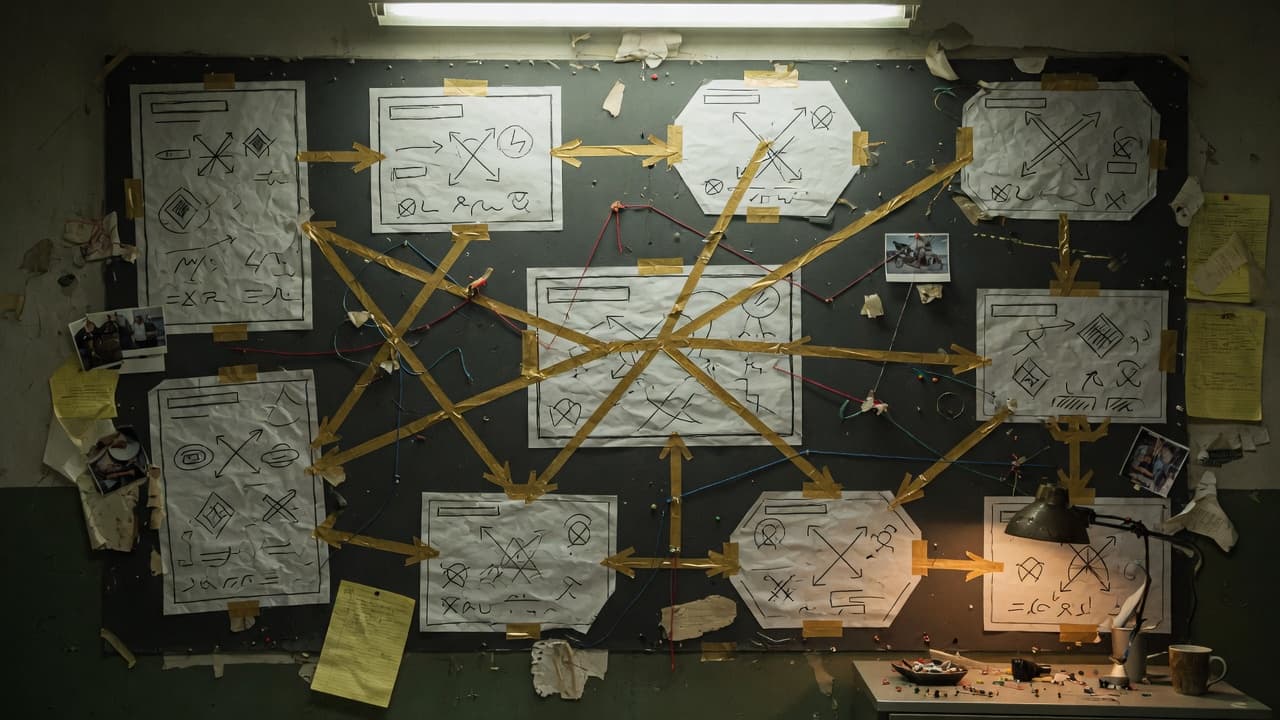
Challenge: DOI and well completion as afterthoughts
Working interest, royalty, overriding royalty, carried interest, payout status, balancing agreements — these are not attributes on a customer master. A transfer of interest effective on the 12th requires two DOI versions in the same production month. If your conversion loaded “current DOI only,” every historical PPA is unpayable. SR Soft forces a DOI history extract, a payout-status matrix, and a mid-month transfer scenario in the sandbox before functional spec is signed.
Challenge: measurement quality and commingled streams
Check-meter versus sales-meter differences, temperature and pressure base, BTU content that arrives after the volume, and a plant that reallocates last month in this month’s statement — these are the silent allocation inputs. We put a measurement exception queue in front of PRA so garbage tickets never reach allocation. The queue has an owner. It is not a shared inbox.
Challenge: allocation that cannot survive a plant statement
Theoretical allocation on day two, plant allocation on day twelve, and a trailer that shows up on day eighteen will not reconcile unless you designed the imbalance and inventory objects. Keep-whole, POP, and fee-based processing are three different valuation stories sitting on the same metal. SR Soft prototypes all three on one real plant before we promise a cutover date.
Challenge: royalty, severance, and the statute book
Fixed royalty, sliding-scale, excess royalty, take-in-kind, state severance, conservation tax, windfall — legal signed these. IT modeled “one rate.” The first audit finds the gap. We sit a contracts analyst in the PRA workshop. Royalty formulas are test cases, not footnotes. Tax codes map to FICO tax accounts that RTR can reconcile, not to a clearing account named “ask John.”
- 01
Network slice
One delivery network, real DOI history, real tickets. No synthetic data.
- 02
Allocation proof
Theoretical, plant, and trailer on that slice. Control totals. Imbalance explained.
- 03
Valuation + royalty
Marketing contract and royalty formula as executable objects, not slides.
- 04
RTR stitch
Owner payable, tax G/L, accrual, and close calendar in the same workshop as PRA.
- 05
PPA path
A mid-month TOI and a prior-month plant restatement, documented as a process.
- 06
Interface truth
SCADA / statement / checkstub path named, with CPI or file, and an exception owner.
How SR Soft changed the face of these implementations
We stopped accepting “PRA resource plus offshore support.” The staffing plan is the architecture: PRA lead, IS-Oil, FICO (RTR), and integration. We do not leave “FI integration” as a later workstream. Settlement documents and owner payables must be reconcilable in the same month you allocate. That is the only definition of done we accept.
For Fortune 500 upstream and midstream operators the failure mode is political: land, marketing, tax, and accounting each own a piece and nobody owns the chain. SR Soft puts one throat on the chain. The cell reports a control-total age, not a RAG status.
Weeks typically burned before a restage
S/4HANA and what comes next
Greenfield PRA on S/4HANA Oil & Gas, brownfield with data hygiene, or selective data transition — we staff all three. Custom allocation user-exits do not travel. Fiori measurement and inquiry replace a generation of Z-transactions. Event-driven tickets on Integration Suite replace nightly files. Joule answering “why did this DOI miss settlement” is a 2026 question that only works if the lineage exists. We build the lineage first.
Objects, tables of meaning, and the month that does not wait
In a living PRA estate the objects you must be able to name in one breath are well, well completion, measurement point, delivery network, DOI, marketing contract, royalty formula, tax code, owner payable, and prior-period adjustment. On S/4 those objects sit beside Business Partner and the Universal Journal. On ECC they sat beside customer/vendor and classic FI documents. The names changed. The month did not. Production does not pause because your DOI load failed. A plant statement does not wait because the BTU file is late. The implementation that cannot name an exception owner for each of those delays will invent barrels to make the control total look pretty, then spend a year unwinding PPAs.
Volume and energy are not interchangeable. A gas well allocated on Mcf and valued on MMBtu will lie unless the heating value is a dated object, not a constant in a user-exit. Condensate flashing, shrinkage, and fuel-use at the plant are contractual facts. If they live only in a plant accountant’s spreadsheet, PRA is a reporting toy. SR Soft’s first workshop is a glossary: every UoM, every conversion base (14.73 vs 14.65, dry vs saturated), every product code. We will not configure allocation until that glossary is signed by measurement and marketing.
Settlement is where PRA becomes cash. Owner payables must match the DOI that was effective on the production date, not the DOI that happens to be current when you run the job. Take-in-kind owners do not get a check; they get a nomination and a balancing account. Carried working interest flips at payout. If your payable program cannot express those states, land will keep a shadow ledger and the first lawsuit will be about the shadow, not about SAP. We sit land in the settlement test. They sign the payable listing or we do not cut over.
Interfaces that are part of PRA, not “later”
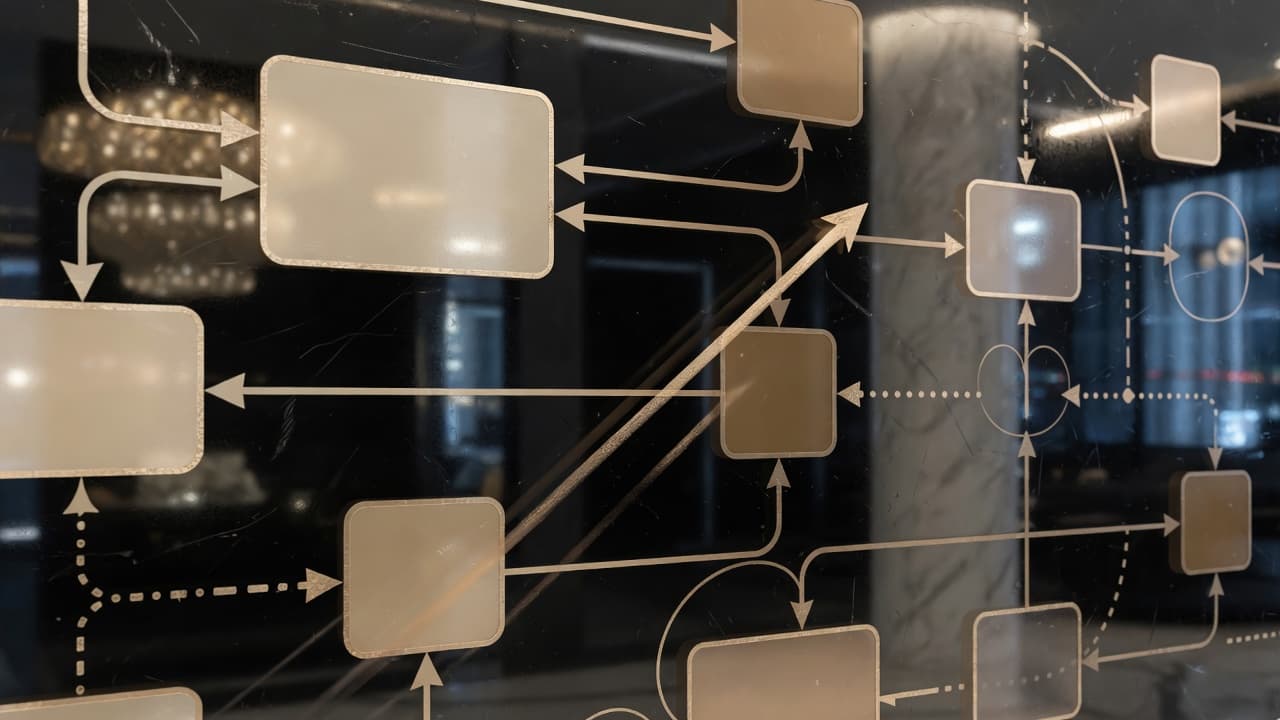
SCADA or field data capture, midstream plant statements, checkstub / revenue distribution outbound, tax extracts, JVA if you run joint venture, and the marketing system that thinks it owns price. Each interface has a latency and an error shape. A plant statement that arrives as a PDF on day fourteen is not an iFlow problem; it is a process problem that PRA must be designed to accrue through. SR Soft names the interface, the latency, the accrual rule, and the person who chases the PDF. CPI is the metal. The rule is the product.
On S/4 the same chain is true with Fiori measurement apps, event-driven tickets, and Datasphere models that let an owner ask why a Mcf disappeared. Joule cannot answer that question unless the lineage from ticket to payable exists. We build the lineage in the first month. We do not promise a copilot on a pile of Z-tables.
PRA is not configured. It is proven — ticket in, owner paid, auditor silent.
SR Soft LLC energy practice