
SAP PRA
SAP PRA Allocation and Valuation Challenges SR Soft LLC Actually Fixes
- SAP PRA
- Allocation
- Valuation
- Imbalance
- Keep-whole
- POP
The second PRA problem is not “how do I activate the module.” It is allocation that survives a commingled system and valuation that survives a marketing desk. A plant statement reallocates last month. A trailer ticket arrives after theoretical has already run. BTU content revises the energy allocation. The marketing contract is keep-whole on one stream and percentage-of-proceeds on another. If your design assumed one method, you will spend the first year writing PPAs.
Imbalance and inventory at the plant are first-class PRA objects. They are not “a FI suspense account.” When residue gas, NGL, and condensate leave a plant, the theoretical energy in and the product energy out will not match. Someone owns that difference. If PRA cannot explain it, marketing will, in a spreadsheet, and RTR will never catch up.
3
Allocation families we always prototype
UoM
Mcf · MMBtu · bbl as legal facts
PPA
A process, not a fire drill
F500
Upstream / midstream desks
Theoretical, plant, trailer — and why mixing them is the job
Theoretical allocation uses well tests, decline, or a formula to split a commingled meter. It is timely and wrong in a useful way. Plant allocation uses the processor’s statement: it is late and closer to cash. Trailer allocation follows a run ticket to a specific WC. A real network uses all three. The control total is how you know you did not invent barrels. SR Soft will not sign a blueprint that cannot draw that total.
Valuation: keep-whole, POP, fee-based
Keep-whole says the producer is made whole on MMBtu at a stated price; the plant keeps liquids. POP says the producer shares proceeds after fees. Fee-based says the plant charges a fee and returns products. Each story produces different payable documents and different tax bases. Vertex or statutory severance sitting on the wrong base is a notice, not a ticket. We model the contract as a valuation type with test volumes, not as a comment in a spec.

The PPA path nobody designs
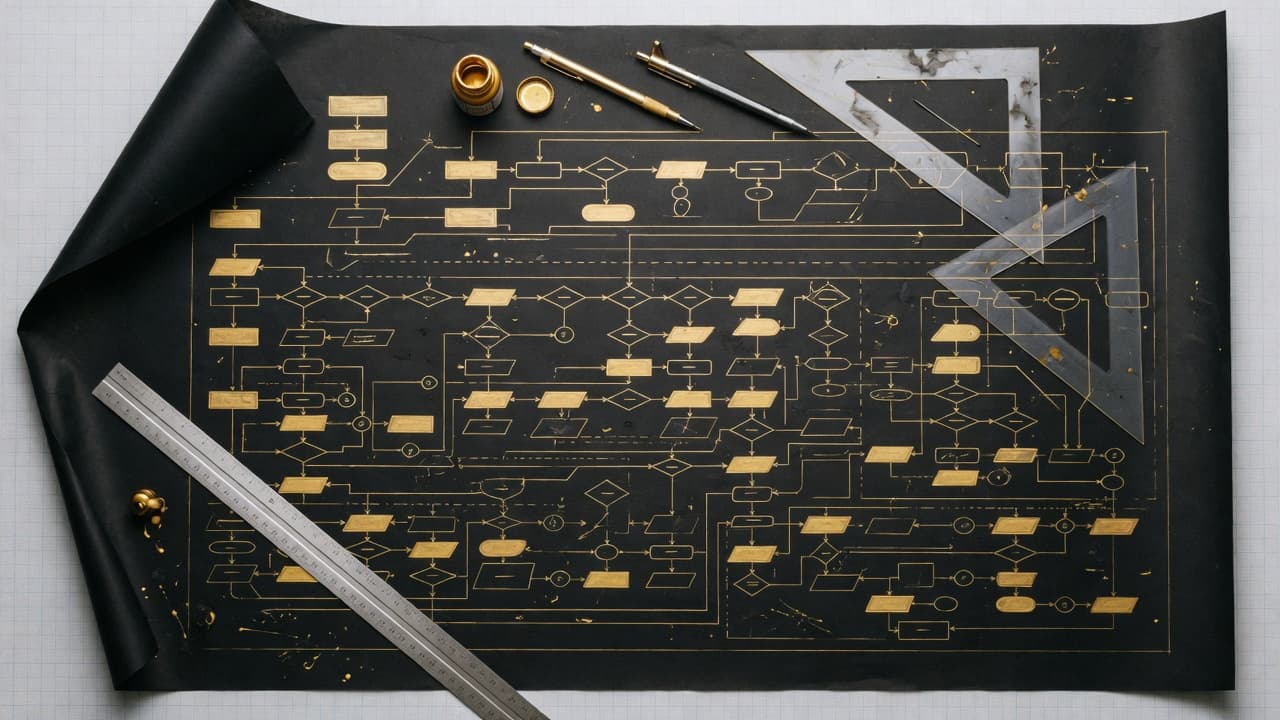
A plant restates January in March. A DOI changes on the 12th. A BTU revision arrives. Each is a PPA. If PPA is “we rerun the month,” you will double-pay or miss an owner. SR Soft designs PPA as: what reopens, what is delta-only, what posts to FI as a separate document, and who signs. That design is a week in the sandbox. It saves a year in production.
- 01
Pick one plant and one trailer route
Real tickets, real DOI, no golden dataset.
- 02
Run theoretical
Publish control total and exception list.
- 03
Apply plant statement
Show imbalance and what it does to owners.
- 04
Apply trailer
Prove the WC-level path still balances the meter.
- 05
Flip a DOI mid-month
Two versions, one month, payable that land can read.
- 06
Restate last month
PPA documents, not a silent overwrite.
SR Soft’s change to the implementation face
We staff PRA plus a contracts analyst. We refuse a valuation workshop that marketing does not attend. We wire RTR so valuation and owner payables are the same conversation as allocation. Fortune 500 energy companies that skip this buy a second project. We do not skip it.
PPA volume after restage (index)
Worked example: one plant, three stories, one control total
Take a commingled gas system feeding a cryogenic plant. Ten wells, three working-interest groups, two royalty burdens, one keep-whole contract on residue, POP on NGLs, fee-based on condensate. Theoretical allocation runs on day two using last month’s well tests. On day twelve the plant statement reallocates energy and shows 2.1% shrinkage and fuel. On day eighteen two trailer tickets reassign condensate to a single WC. If your design cannot show the control total at each of those three clocks, you do not have an allocation design. You have a hope.
Imbalance is not a rounding error. It is fuel, flare, shrink, inventory, and measurement difference. PRA must post it to an object marketing and the plant accountant both recognize. Parking it in a FI suspense account named “PRA other” is how close becomes a monthly negotiation. We create the imbalance object in the prototype and make marketing explain it in English before we write a spec.
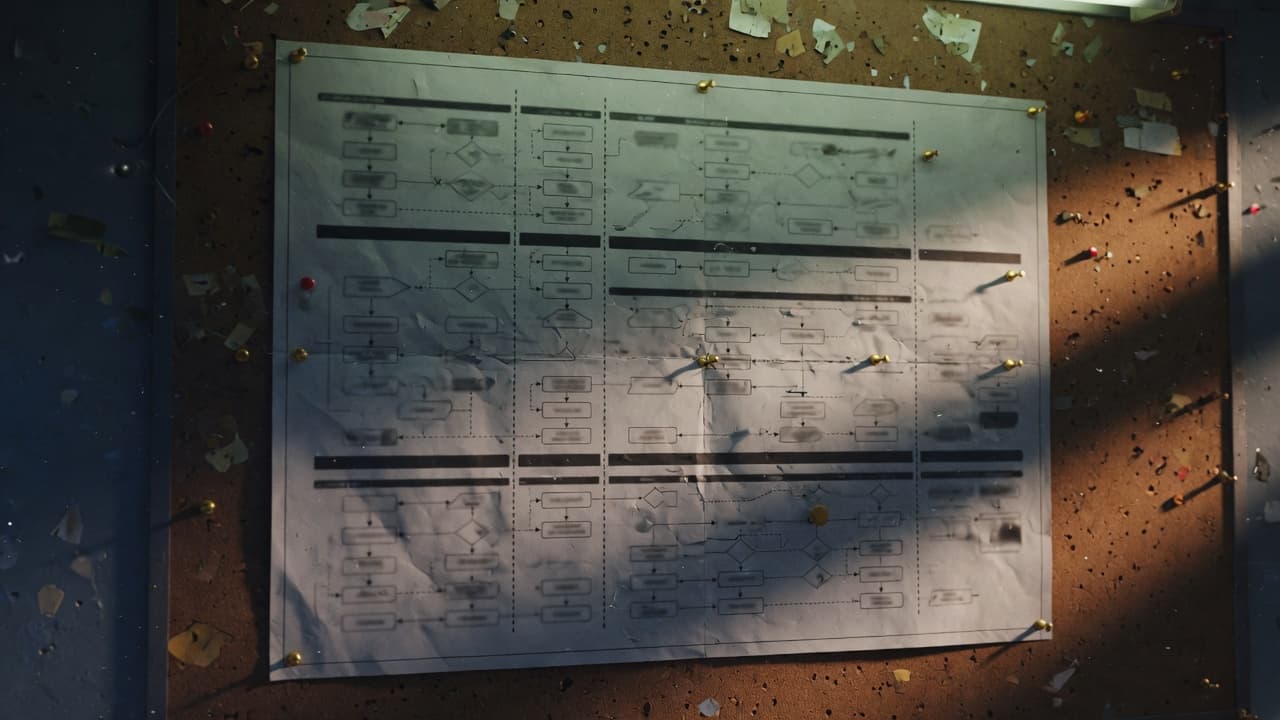
Prior-period adjustments are a product. A plant restates January in March. A DOI changes on the 12th. A BTU revision arrives from the lab. Each is a PPA with a different reopen rule. Delta-only versus full rerun, separate FI document versus silent overwrite, who signs — if that is not written, your first restatement will be tribal knowledge. We run a restatement in the sandbox as a scored exercise. The SI does not pass until land and accounting can read the payable delta without a translator.
Marketing price decks, first-of-month versus average, differentials, and quality deductions belong in the valuation object. Hard-coding a NYMEX strip in an exit is how you explain a million-dollar miss. SR Soft’s valuation test uses the real deck for a closed month and compares owner payable to the checkstub the producer already cashed. That is the only UAT that matters.